
WhatsApp Shared Inbox vs WhatsApp Groups: Which Is Better for Business Communication in Kenya?
WhatsApp has become one of the most powerful communication platforms for businesses worldwide, and Kenya is no exception. From customer support and sales inquiries to order confirmations and appointment scheduling, businesses increasingly rely on WhatsApp to engage with customers quickly and efficiently.
However, as customer conversations grow, many organizations face a common challenge: should they continue using WhatsApp Groups, or should they invest in a professional WhatsApp Shared Inbox?
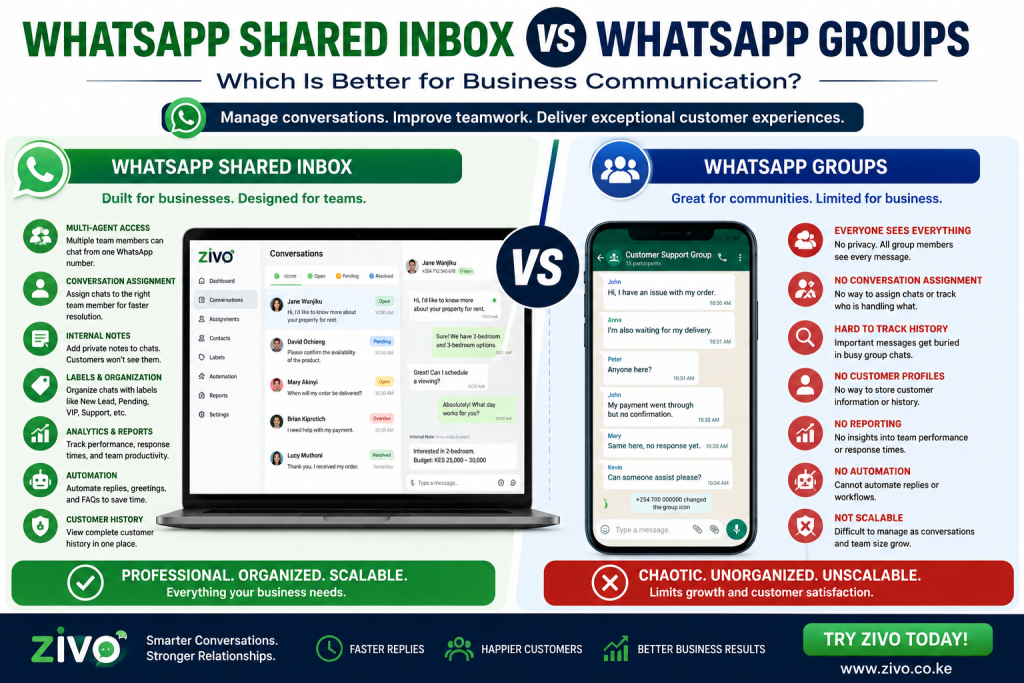
The comparison of WhatsApp Shared Inbox vs WhatsApp Groups is becoming increasingly important for businesses looking to improve collaboration, customer service, and operational efficiency. While WhatsApp Groups are ideal for internal discussions and community engagement, they were never designed to handle professional customer support or multi-agent communication.
A WhatsApp Shared Inbox, on the other hand, allows multiple team members to access and manage customer conversations from a single WhatsApp number. This improves response times, accountability, and customer satisfaction.
In this guide, we’ll compare WhatsApp Shared Inbox vs WhatsApp Groups, examine their strengths and weaknesses, and explain why businesses across Kenya are adopting shared inbox solutions like Zivo.
What Is a WhatsApp Shared Inbox?
A WhatsApp Shared Inbox is a business communication platform that allows multiple employees to access and respond to messages from one WhatsApp Business number simultaneously.
Instead of sharing a phone or forwarding messages manually, every conversation is managed from one centralized dashboard.
Common features include:
- Multi-agent access
- Team collaboration
- Conversation assignment
- Internal notes
- Customer profiles
- Message history
- Analytics and reporting
- Automated replies
- Conversation labels
- CRM integration
These capabilities make WhatsApp Shared Inbox vs WhatsApp Groups an important comparison for businesses handling high volumes of customer interactions.
What Are WhatsApp Groups?
WhatsApp Groups are designed to allow multiple people to communicate within a single group chat.
Businesses commonly use groups for:
- Staff communication
- Project discussions
- Community updates
- School announcements
- Customer communities
- Team coordination
Although WhatsApp Groups are useful for collaboration, they lack the advanced tools needed for structured customer support.
This is one of the biggest differences in WhatsApp Shared Inbox vs WhatsApp Groups.
Why Businesses Initially Choose WhatsApp Groups
Many businesses begin with WhatsApp Groups because they are:
Free
Anyone with WhatsApp can create a group without additional software.
Easy to Set Up
Creating a group only takes a few minutes.
No technical knowledge is required.
Familiar
Most employees already know how WhatsApp Groups work.
Training is minimal.
Good for Internal Communication
Groups work well for:
- Daily updates
- Team announcements
- Sharing documents
- Quick discussions
However, these advantages disappear when businesses begin handling customer conversations at scale.
Limitations of WhatsApp Groups for Customer Service
Although WhatsApp Groups are excellent for collaboration, they create several challenges when used for customer support.
Everyone Sees Every Message
Every participant in a WhatsApp Group can view every conversation.
This makes groups unsuitable for handling private customer information.
No Conversation Assignment
Groups do not allow managers to assign conversations to specific employees.
As a result:
- Multiple agents may reply to the same customer.
- Some messages may receive no response.
- Accountability becomes difficult.
When comparing WhatsApp Shared Inbox vs WhatsApp Groups, conversation assignment is a major advantage of shared inbox platforms.
Difficult to Track Customer History
Finding previous conversations inside a busy group can be frustrating.
Important messages are easily buried under new discussions.
No Customer Profiles
Groups do not organize customer information such as:
- Purchase history
- Contact details
- Previous inquiries
- Support history
Employees often need separate systems to retrieve this information.
Poor Reporting
Managers cannot easily answer questions like:
- How many messages were handled today?
- Which employee responded fastest?
- How many unresolved conversations remain?
- What is the average response time?
These reporting limitations make WhatsApp Shared Inbox vs WhatsApp Groups a critical consideration for growing businesses.
Advantages of a WhatsApp Shared Inbox
Dedicated shared inbox software solves many of these challenges.
One Business Number, Multiple Agents
Several employees can manage customer conversations simultaneously without sharing a single phone.
This improves efficiency and ensures no customer waits unnecessarily.
Conversation Assignment
Managers can assign chats to specific team members.
Benefits include:
- Clear ownership
- Faster responses
- Reduced duplication
- Better accountability
Internal Team Notes
Employees can leave private notes on customer conversations.
Examples:
- “Customer requested a refund.”
- “Waiting for payment confirmation.”
- “Follow up tomorrow.”
Customers never see these notes.
Labels and Organization
Conversations can be categorized using labels such as:
- New Lead
- VIP Customer
- Pending Payment
- Complaint
- Technical Support
- Completed
This organization is impossible in standard WhatsApp Groups.
Complete Customer History
Every conversation remains organized under the customer’s profile.
Employees instantly see:
- Previous chats
- Orders
- Support requests
- Follow-up history
This significantly improves customer service and demonstrates why WhatsApp Shared Inbox vs WhatsApp Groups often favors shared inbox solutions for professional businesses.
Feature Comparison
| Feature | WhatsApp Shared Inbox | WhatsApp Groups |
|---|---|---|
| Multi-agent support | ✅ Yes | ❌ No |
| Conversation assignment | ✅ Yes | ❌ No |
| Customer privacy | ✅ High | ❌ Limited |
| Internal notes | ✅ Yes | ❌ No |
| Analytics | ✅ Yes | ❌ No |
| Customer history | ✅ Complete | ❌ Difficult to track |
| Labels | ✅ Yes | ❌ No |
| Automation | ✅ Yes | ❌ No |
| Professional customer support | ✅ Excellent | ❌ Limited |
| Business scalability | ✅ High | ❌ Low |
The comparison clearly shows that while WhatsApp Groups remain useful for internal communication, businesses focused on customer service, sales, and support benefit far more from a dedicated shared inbox solution.
Real Business Scenarios: WhatsApp Shared Inbox vs WhatsApp Groups
Understanding WhatsApp Shared Inbox vs WhatsApp Groups becomes easier when looking at how different industries use WhatsApp every day.
Real Estate Agencies
A real estate agency may receive hundreds of WhatsApp inquiries daily from potential buyers and tenants.
Typical customer questions include:
- Is the property still available?
- Can I schedule a viewing?
- What is the monthly rent?
- Where is the property located?
Using WhatsApp Groups
With WhatsApp Groups:
- Everyone sees every inquiry.
- Multiple agents may reply to the same client.
- Some inquiries may be ignored.
- Customer follow-ups are difficult to track.
Using a WhatsApp Shared Inbox
With a shared inbox:
- Leads are assigned automatically.
- Managers monitor agent performance.
- Conversations remain organized.
- Follow-ups are never forgotten.
- Customers receive faster responses.
This practical example demonstrates why businesses increasingly choose WhatsApp Shared Inbox vs WhatsApp Groups in favor of shared inbox solutions.
Retail and E-commerce Businesses
Online stores often receive messages about:
- Product availability
- Delivery status
- Payment confirmation
- Returns
- Exchanges
- Pricing
Handling these requests through WhatsApp Groups quickly becomes chaotic.
A WhatsApp Shared Inbox allows:
- Sales teams to manage inquiries
- Support teams to resolve complaints
- Managers to monitor performance
- Customers to enjoy a seamless experience
Healthcare Providers
Hospitals and clinics use WhatsApp for:
- Appointment booking
- Patient inquiries
- Laboratory results
- Follow-up reminders
Patient confidentiality is essential.
WhatsApp Groups expose conversations to multiple participants, making them unsuitable for handling sensitive patient information.
A WhatsApp Shared Inbox provides controlled access, conversation assignment, and secure workflows, making it the preferred option when comparing WhatsApp Shared Inbox vs WhatsApp Groups.
Schools and Universities
Educational institutions communicate with:
- Parents
- Students
- Applicants
- Alumni
While WhatsApp Groups are useful for announcements, admissions and support inquiries require private conversations.
A shared inbox helps institutions:
- Assign admissions inquiries
- Respond faster
- Maintain communication history
- Improve service quality
Customer Service Performance
Excellent customer service depends on speed, consistency, and accountability.
With WhatsApp Groups
Businesses often experience:
- Missed messages
- Duplicate responses
- Delayed replies
- Poor coordination
With a WhatsApp Shared Inbox
Businesses benefit from:
- Assigned conversations
- Response tracking
- Team collaboration
- Faster issue resolution
- Consistent customer experiences
This is one of the strongest arguments in the WhatsApp Shared Inbox vs WhatsApp Groups comparison.
Security and Privacy
Businesses handle confidential information every day, including:
- Customer contacts
- Addresses
- Payment confirmations
- Orders
- Personal details
WhatsApp Groups provide limited controls over who can view messages.
Shared inbox platforms offer:
- User permissions
- Activity logs
- Controlled access
- Secure message management
These features help businesses protect customer data while maintaining professional communication standards.
Reporting and Analytics
One major limitation of WhatsApp Groups is the lack of business insights.
Managers cannot easily determine:
- Number of conversations handled
- Average response time
- Agent productivity
- Customer satisfaction trends
- Resolution times
A WhatsApp Shared Inbox provides dashboards with valuable analytics that help improve business performance.
When evaluating WhatsApp Shared Inbox vs WhatsApp Groups, reporting capabilities are a significant advantage of shared inbox software.
Automation Makes the Difference
Modern customers expect quick responses, even outside business hours.
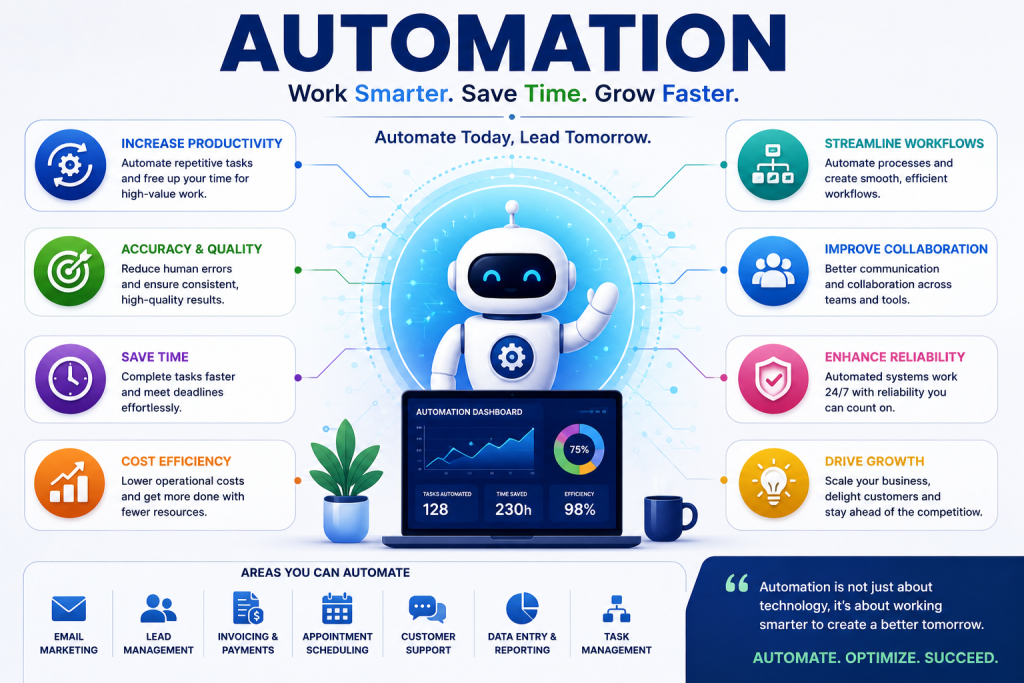
A WhatsApp Shared Inbox can automate:
- Welcome messages
- Frequently asked questions
- Business hours notifications
- Conversation routing
- Agent assignment
- Follow-up reminders
WhatsApp Groups do not support these advanced automation features.
Automation saves time, reduces manual work, and ensures customers receive timely responses.
Case Study
Kenyan Electronics Retailer Improves Customer Service with Zivo
A growing electronics retailer in Nairobi relied on WhatsApp Groups to coordinate customer inquiries among its sales team.
Challenges
- Multiple agents replied to the same customer.
- Some inquiries received no response.
- Managers had no visibility into team performance.
- Customers complained about slow replies.
The company implemented Zivo’s WhatsApp Shared Inbox.
Results After Four Months
- 70% faster response times.
- Significant reduction in duplicate replies.
- Better lead assignment.
- Improved customer satisfaction.
- Increased sales conversions.
- Enhanced team accountability.
The retailer transformed its customer communication by replacing WhatsApp Groups with a professional shared inbox solution.
Customer Testimonial
“Before using Zivo, our team depended on WhatsApp Groups, and customer conversations were difficult to manage. Since switching to Zivo’s WhatsApp Shared Inbox, every inquiry is assigned correctly, our response times have improved, and our customers receive much better service. It has completely changed how we communicate with clients.”
— Operations Manager, Kenyan Retail Business
Why Businesses Choose Zivo
Zivo is a powerful WhatsApp customer communication platform designed to help businesses manage conversations efficiently.
Key Features
- Shared team inbox
- Multi-agent access
- Conversation assignment
- Internal team notes
- Customer profiles
- Labels and tags
- Automated messaging
- Performance analytics
- CRM integration
- Secure cloud platform
Whether you’re a retailer, real estate agency, school, healthcare provider, or service business, Zivo helps your team collaborate effectively while delivering exceptional customer experiences.
By choosing Zivo, businesses can move beyond the limitations of WhatsApp Groups and embrace a scalable communication solution.
Future-Proofing Your Business Communication
As businesses grow, communication becomes more complex. More customers, more team members, and more conversations require a structured system that can scale. This is where WhatsApp Shared Inbox vs WhatsApp Groups becomes an important strategic decision.
While WhatsApp Groups are suitable for casual collaboration and announcements, they were not designed to support customer service operations, sales pipelines, or business workflows. A shared inbox provides the flexibility and organization businesses need to grow without compromising customer experience.
Companies that invest in professional communication tools today are better prepared to handle increased customer demand tomorrow.
Industries That Benefit from a WhatsApp Shared Inbox
Almost every customer-facing business can improve its communication using a shared inbox.
Real Estate
Property agencies can:
- Assign property inquiries to agents
- Track follow-ups
- Manage buyer and tenant conversations
- Reduce missed opportunities
Healthcare
Hospitals and clinics can:
- Book appointments
- Answer patient inquiries
- Share appointment reminders
- Coordinate support teams securely
Retail and E-commerce
Retail businesses can:
- Respond to product inquiries
- Process orders faster
- Handle returns and exchanges
- Improve after-sales support
Financial Services
Banks, SACCOs, and insurance companies can:
- Respond to customer inquiries
- Manage policy questions
- Track service requests
- Improve customer satisfaction
Education
Schools, colleges, and universities can:
- Manage admissions inquiries
- Communicate with parents
- Respond to student questions
- Improve administrative efficiency
Across these industries, the comparison of WhatsApp Shared Inbox vs WhatsApp Groups consistently highlights the advantages of a shared inbox for professional customer communication.
Common Mistakes Businesses Make
Many businesses delay adopting a professional communication platform because they believe WhatsApp Groups are “good enough.” This often leads to avoidable problems.
Using One Phone for the Entire Team
Sharing a single device creates bottlenecks, slows responses, and makes it difficult to track who handled each conversation.
No Conversation Ownership
Without conversation assignment, multiple employees may reply to the same customer—or no one may reply at all.
Losing Customer History
Searching through hundreds of group messages wastes time and increases the risk of missing important information.
No Performance Tracking
Managers cannot accurately measure team productivity or identify areas for improvement using WhatsApp Groups alone.
Recognizing these issues early can help businesses make the right choice when evaluating WhatsApp Shared Inbox vs WhatsApp Groups.
How to Choose the Right Solution
When deciding between WhatsApp Groups and a shared inbox, ask yourself these questions:
- Does your business receive a high volume of customer messages?
- Do multiple employees need access to the same WhatsApp number?
- Do you need faster response times?
- Do you want to track team performance?
- Do you need customer conversation history?
- Do you plan to grow your business?
If the answer to most of these questions is yes, then a WhatsApp Shared Inbox is the better long-term solution.
Why Zivo Is the Smart Choice
Zivo is designed to help Kenyan businesses communicate professionally, collaborate efficiently, and deliver outstanding customer service through WhatsApp.
With Zivo, your business can:
- Manage one WhatsApp number with multiple agents
- Assign conversations automatically or manually
- Add private internal notes
- Organize chats using labels and tags
- Monitor team performance through analytics
- Automate routine responses
- Integrate customer communication into your workflow
Instead of relying on WhatsApp Groups for customer support, Zivo provides a centralized platform that improves productivity, accountability, and customer satisfaction.
Whether you run a startup, SME, or large enterprise, Zivo helps your team respond faster, stay organized, and build stronger customer relationships.
Frequently Asked Questions
Can WhatsApp Shared Inbox vs WhatsApp Groups replace each other??
No. WhatsApp Groups are designed for group communication and announcements, while a WhatsApp Shared Inbox is built for managing customer conversations, assigning chats, and supporting multiple agents.
Is a WhatsApp Shared Inbox suitable for small businesses?
Yes. Even small businesses benefit from improved organization, faster response times, and better collaboration. As the business grows, the shared inbox scales with it.
Can multiple employees use the same WhatsApp number?
Yes. With Zivo’s WhatsApp Shared Inbox, multiple authorized team members can access and respond to customer conversations simultaneously.
Is customer information secure?
Yes. Zivo provides controlled user access, secure cloud infrastructure, and conversation management features that help protect customer information.
Does Zivo integrate with other business systems?
Yes. Zivo is designed to integrate with CRM systems and other business tools, allowing organizations to streamline customer communication and improve operational efficiency.
Conclusion
Choosing between WhatsApp Shared Inbox vs WhatsApp Groups is one of the most important decisions businesses can make as customer communication continues to evolve. While WhatsApp Groups remain useful for internal discussions and announcements, WhatsApp Shared Inbox vs WhatsApp Groups clearly demonstrates that professional customer engagement requires more advanced tools.
When comparing WhatsApp Shared Inbox vs WhatsApp Groups, a shared inbox offers centralized communication, conversation assignment, automation, analytics, and better collaboration among team members. These capabilities help businesses respond faster, improve customer satisfaction, and reduce the risk of missed or duplicate replies.
Another major advantage highlighted in WhatsApp Shared Inbox vs WhatsApp Groups is scalability. As your business grows, customer conversations increase, making it difficult to manage communication through groups alone. A shared inbox grows with your business, ensuring every inquiry is handled efficiently.
Security and accountability are also key factors in WhatsApp Shared Inbox vs WhatsApp Groups. A shared inbox provides controlled access, complete conversation history, and performance tracking, while WhatsApp Groups lack the features needed for structured customer support.
For businesses focused on sales, customer service, and long-term growth, WhatsApp Shared Inbox vs WhatsApp Groups has a clear winner. Platforms like Zivo provide a professional environment where multiple team members can work together from one WhatsApp number without confusion.
If you want to improve productivity, enhance customer experiences, and streamline business communication, now is the time to evaluate WhatsApp Shared Inbox vs WhatsApp Groups and invest in a solution designed for modern businesses.
Thousands of organizations are moving beyond traditional messaging methods because WhatsApp Shared Inbox vs WhatsApp Groups proves that dedicated customer communication platforms deliver greater efficiency and better business outcomes. With Zivo, your team can automate routine tasks, organize conversations, and provide exceptional support from a single dashboard.
Ultimately, WhatsApp Shared Inbox vs WhatsApp Groups is not simply a comparison of two WhatsApp features—it is a comparison between manual communication and intelligent business collaboration. By choosing Zivo, you can transform how your team communicates, improve operational efficiency, and build stronger customer relationships. The future of business messaging is clear, and WhatsApp Shared Inbox vs WhatsApp Groups shows why a shared inbox is the smarter investment. Make the switch today and experience firsthand why WhatsApp Shared Inbox vs WhatsApp Groups continues to be the preferred choice for growing businesses across Kenya and beyond.
Call to Action
If your business is still relying on WhatsApp Groups to manage customer conversations, it’s time to upgrade to a more professional solution.
With Zivo’s WhatsApp Shared Inbox, you can:
- Improve response times
- Eliminate duplicate replies
- Assign conversations to the right team members
- Track customer interactions
- Monitor team performance
- Automate repetitive tasks
- Deliver exceptional customer service
Visit Zivo.co.ke today to discover how a powerful WhatsApp Shared Inbox can transform the way your business communicates with customers and help you scale with confidence.